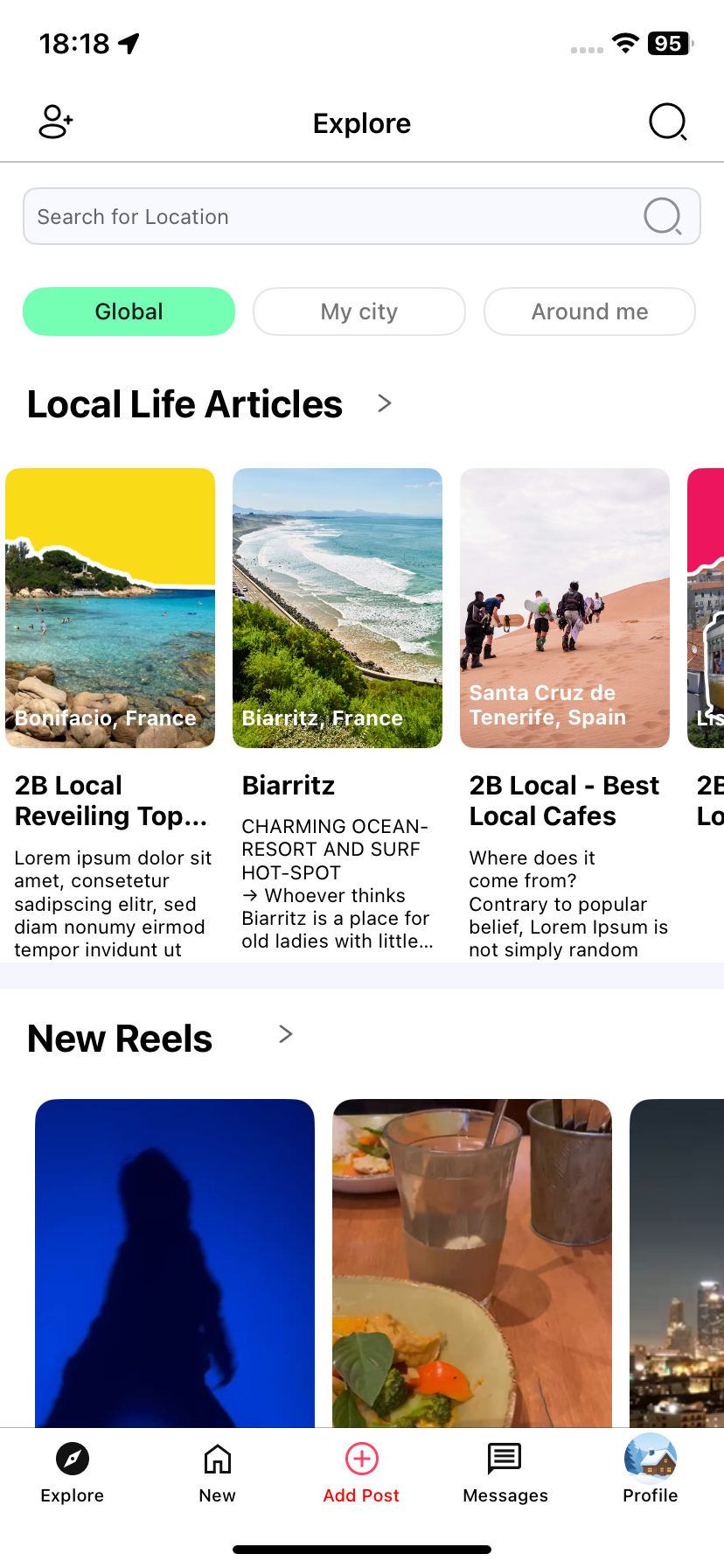


Maximum Reach, Singular Effort
In a hyper-competitive market, speed is the ultimate advantage. Cross-platform engineering allows startups and enterprises to validate business models on both iOS and Android simultaneously without doubling the engineering budget. By writing logic once, we drastically reduce technical debt, simplify testing, and accelerate feature rollouts.
Our cross-platform philosophy rejects the notion of 'clunky hybrid apps.' Using cutting-edge compilation techniques found in Flutter and React Native, we deliver applications that run at 60 FPS, access core device hardware, and feel completely native to the end user. We build once, but we optimize endlessly.
Key Strategic Benefits
Accelerated Time-to-Market
- Deploy to App Store and Play Store up to 40% faster.
- Avoid localized native development bottlenecks.
Cost-Efficient Engineering
- Maintain a single unified codebase.
- Lower headcount and maintenance overhead.
Unified Feature Parity
- iOS and Android users stay perfectly in sync.
- Instant global rollout of new features.
Near-Native Fluidity
- Hardware-accelerated rendering engines.
- Perfectly smooth 60 FPS animations.
Engineered for Massive Scale
High-performance mobile technologies and optimized engineering architectures.
React Native Mastery
- Leveraging Javascript ecosystems.
- Custom Native Modules for high-load SaaS.
Flutter Architecture
- Incredibly complex, visually bespoke UIs.
- Using Google's ultra-fast Dart framework.
Kotlin Multiplatform (KMP)
- Shared core logic across all platforms.
- Retaining 100% native UI precision.
Over-The-Air (OTA) Updates
- Bypass store review for urgent fixes.
- Push UI updates to users immediately.
Solving Complex Industry Challenges
B2B SaaS Dashboards
- Extend desktop apps to mobile devices.
- Unified management experience on the go.
Startup MVPs
- Rapidly validate concepts across iOS/Android.
- Secure Series A funding with broad reach.
Two-Sided Marketplaces
- Uniform buyer and seller portals.
- Maintain liquidity across all device types.
Our Engineering Lifecycle
A transparent, predictable process designed for rapid delivery without sacrificing code quality.
Framework Selection
- Analyze requirements for React Native, Flutter, or KMP.
- Choice based on complexity and hardware needs.
Universal Design System
- UI topology that adapts to Apple HIG and Material Design.
- Automatic adaptive layouts.
Unified Logic Coding
- Core business logic and API layers.
- Universal state management (Redux/MobX).
Native Bridge Optimization
- Custom Swift/Kotlin for heavy hardware interaction.
- Eliminate cross-platform bridge bottlenecks.
Core Technologies
Frequently Asked Questions
Everything you need to know about our mobile engineering process.
Need pricing for your project?
Share your scope and we'll review the requirements and send you a free quotation.
Request a Free Quotation