01
Phase 01
Clinical Workflow Discovery
We broke down how anesthesia professionals capture case details in practice, identifying the core data points, note structures, and retrieval needs that the product had to support.
A cross-platform mobile application that helps anesthesia professionals document cases, structure surgery notes, organize records, work offline, and export reports in professional formats.
Nap Notes serves anesthesiologists, CRNAs, and medical residents who need a dedicated system for documenting anesthesia cases and maintaining a personal clinical logbook. The product had to balance structured medical data capture with speed, portability, privacy expectations, and subscription-backed access across iOS and Android.
The Core Challenge
Anesthesiologists and CRNAs need a fast, reliable way to capture detailed case histories without juggling generic note tools, disconnected exports, or unstable connectivity in clinical environments. The product had to support structured anesthesia-specific documentation, HIPAA-aware privacy expectations, secure authentication, offline persistence, export controls, and a subscription model across both Android and iOS while keeping the workflow simple enough for busy medical professionals.
Our Strategic Solution
We designed Nap Notes as a focused mobile case-management system built around a guided multi-step entry flow. The app combines clinical data capture, anatomical categorization, anesthesia-type documentation, medication tracking, rich surgery notes, offline synchronization, and export-ready reporting in one secure workspace. Firebase services, app integrity checks, secure sign-in flows, and server-side receipt validation helped keep access, data handling, and subscription management dependable across platforms while aligning with healthcare-grade privacy expectations.
Nap Notes combines Flutter, Firebase, offline-first mobile workflows, and a healthcare-aware security posture designed for privacy, portability, and clinical usability.
Privacy Model
HIPAA-Aware
Designed around healthcare privacy expectations and responsible handling of sensitive clinical records.
Access Control
Role-Based Access
Secure authentication and controlled permissions help ensure the right users access the right workflows.
Data Protection
Encrypted Data
Protected data flows and secure storage patterns reduce exposure across sync, session, and export paths.
Traceability
Audit-Ready Thinking
The product direction supports stronger auditability for record access, updates, and long-term platform maturity.
A look at the mobile flows for sign-in, case capture, record organization, and day-to-day use.
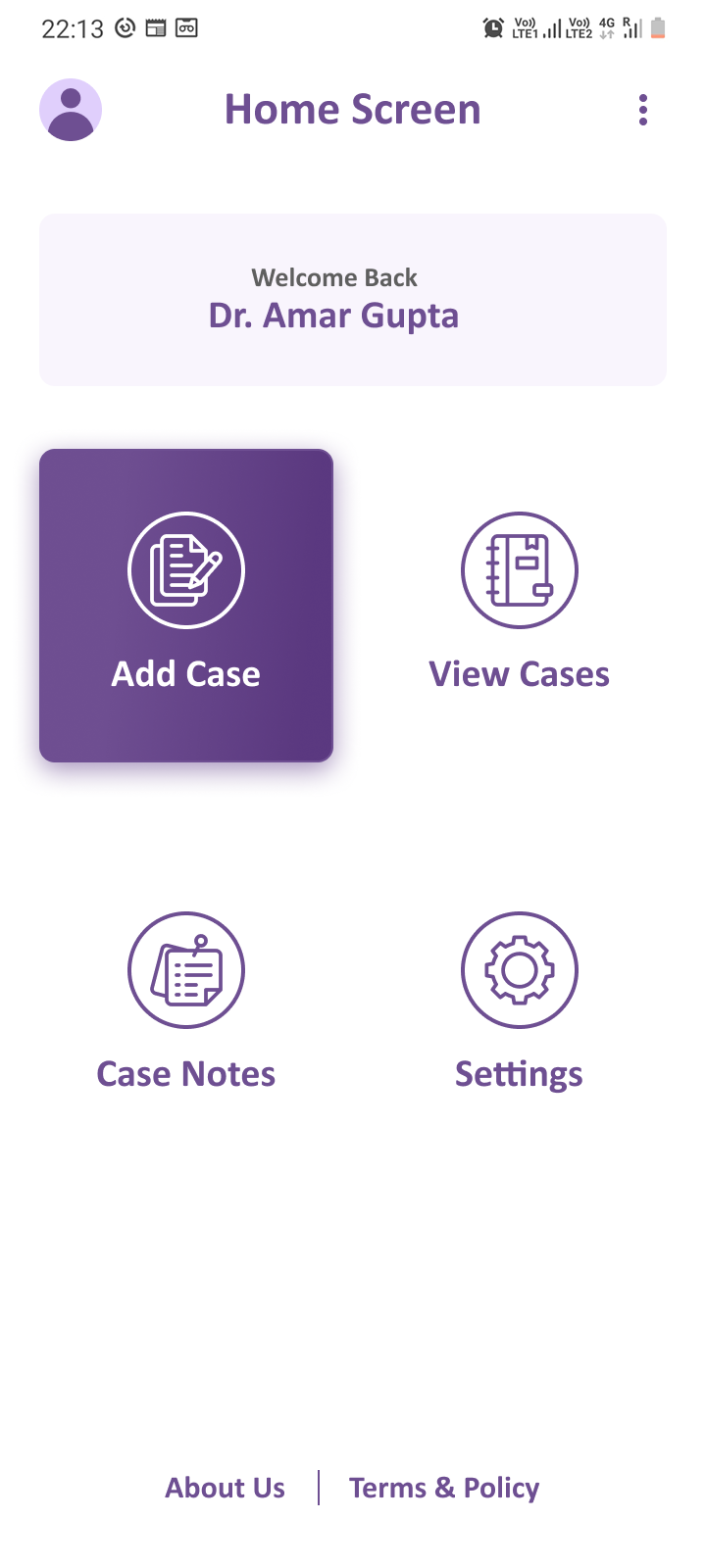
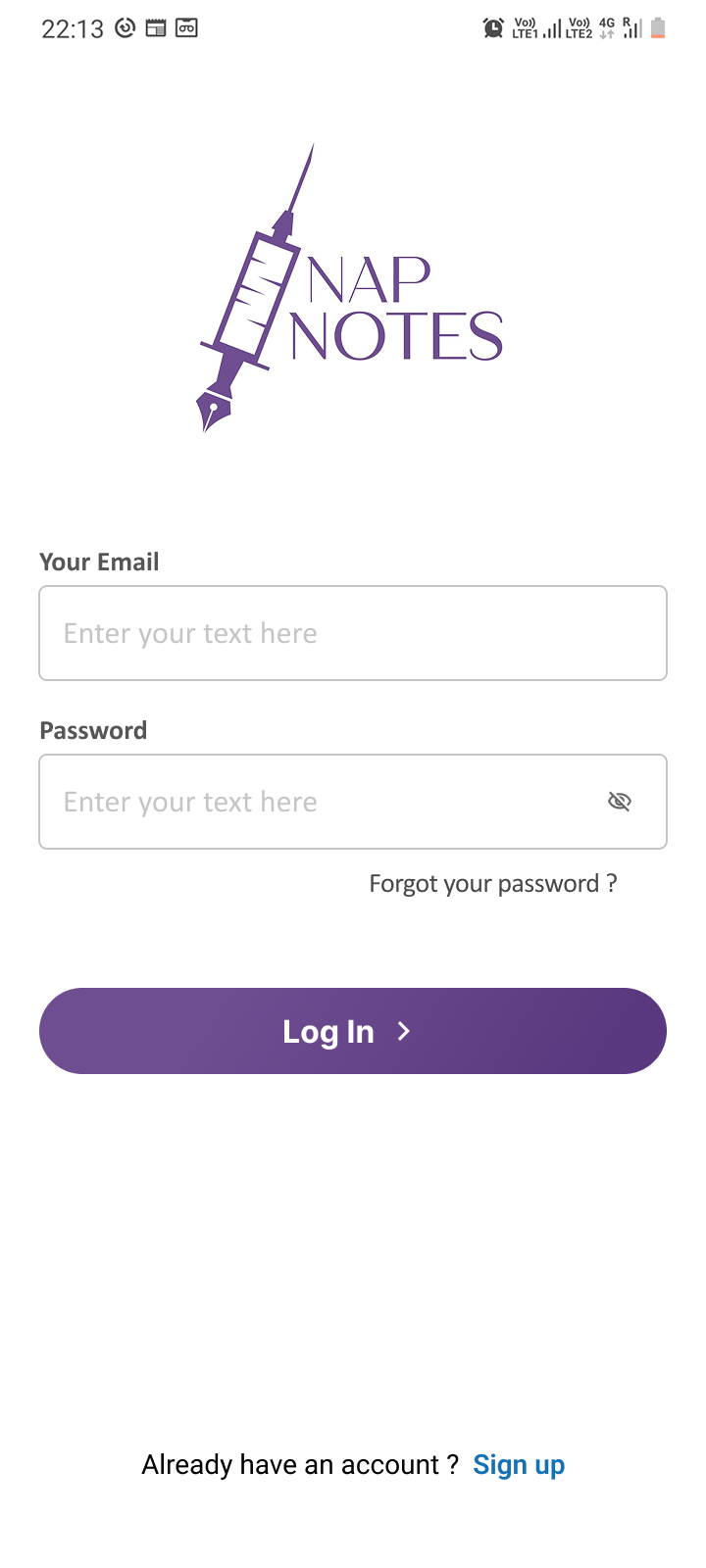
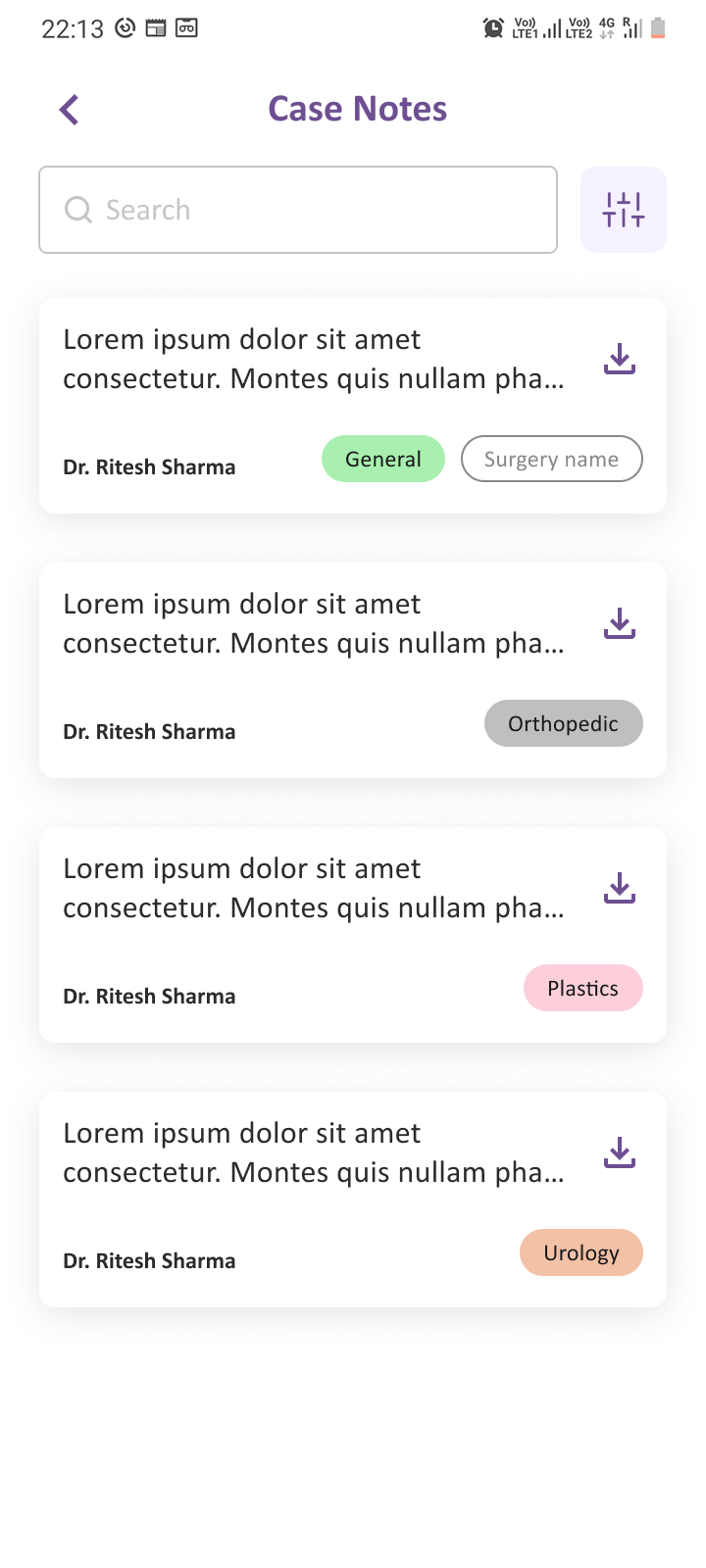
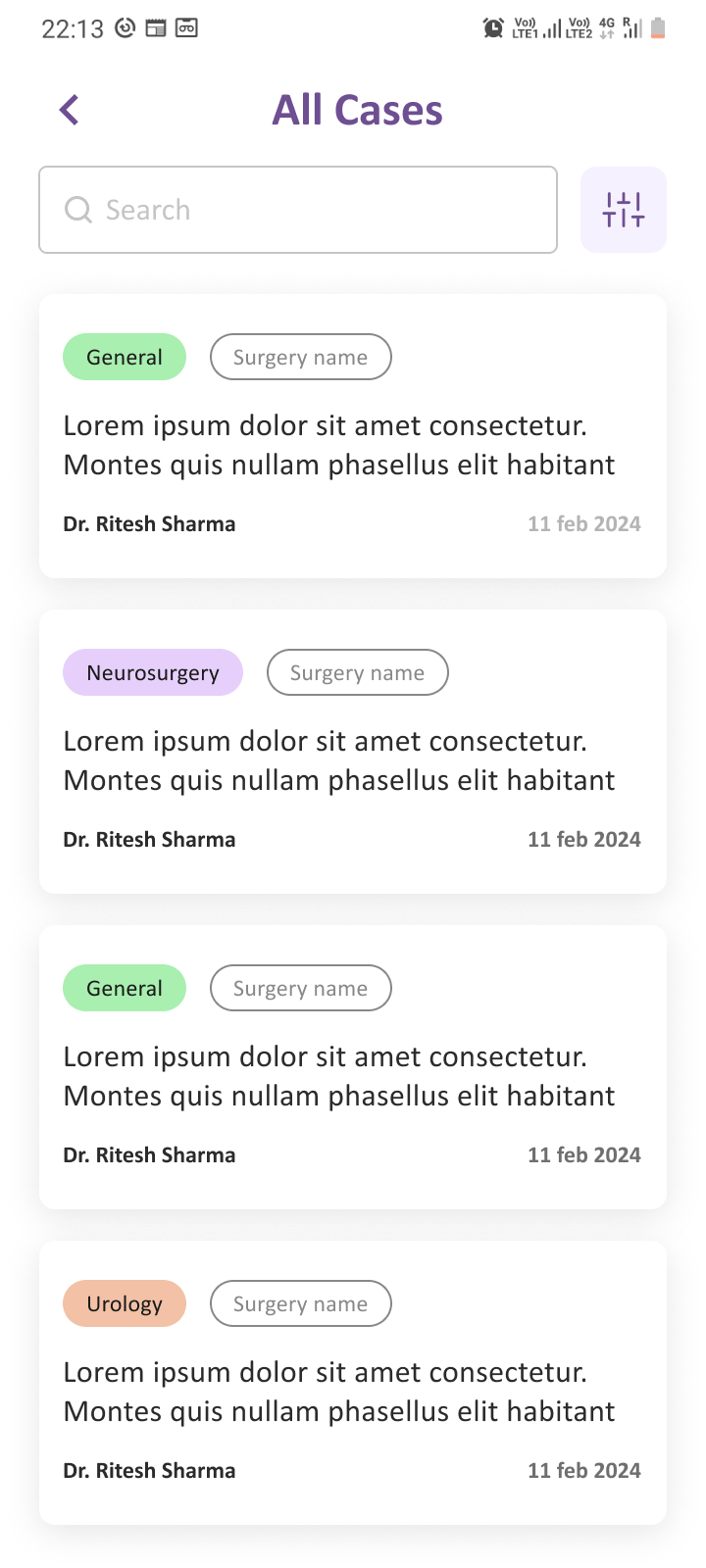
The product helps clinicians keep records structured, accessible, and exportable without relying on fragmented tools.
The documentation flow keeps anesthesia case capture structured from intake to final notes.
Users can continue working and retain access to records even with inconsistent connectivity.
Clinical records can be exported in formats that are practical for review and personal documentation.
The product was shaped around healthcare privacy expectations, secure access, and protected record handling.
Impact Summary
Nap Notes gives anesthesia professionals a cleaner way to manage case history, reduce documentation friction, and keep records accessible even when connectivity is inconsistent. The app turns a scattered note-taking process into a secure, HIPAA-aware, mobile-first workflow built around real clinical use.
“Hastree understood exactly what this product needed for clinicians who want a simpler, more structured way to manage case notes. The app feels focused, reliable, and much easier to use in real working conditions.”
A product rollout centered on clinician usability, structured record capture, and secure mobile delivery across both platforms.
Timeline
Structured rollout
Steps
5 delivery phases
Phase 01
We broke down how anesthesia professionals capture case details in practice, identifying the core data points, note structures, and retrieval needs that the product had to support.
Phase 02
The app experience was organized into a step-based flow covering clinical information, anatomical categories, anesthesia type, medications, and surgery notes for consistent documentation.
Phase 03
We implemented an offline-ready persistence model so users could continue working in hospital or surgery-center environments where network access may be unreliable.
Phase 04
Export capabilities and premium access flows were added so professionals could generate usable records while the business maintained a clear monetization model on both app stores.
Phase 05
Authentication, Firebase App Check, receipt-validation logic, and HIPAA-aware privacy considerations were layered in to protect access, support responsible clinical record handling, and prepare the app for production release.
Let's build a product that turns complex workflows into a secure, usable experience for the people who rely on it every day.
Let's TalkCommon questions about HIPAA-aware product design, privacy controls, offline clinical workflows, and security architecture in healthcare mobile apps.
Share your scope and we'll review the requirements and send you a free quotation.
Request a Free Quotation